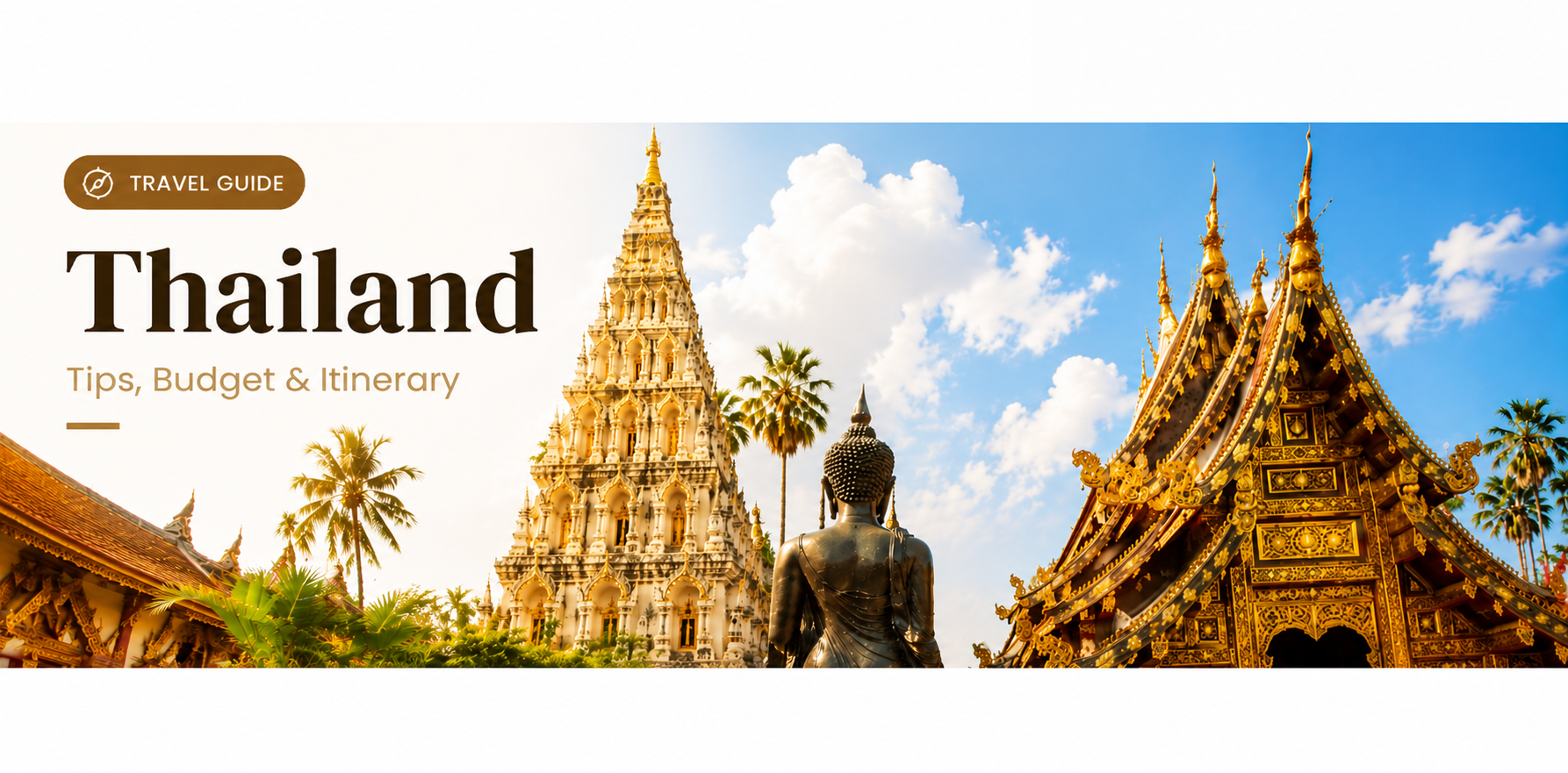
Planning a trip to Thailand doesn't need to drain your bank account. This Thailand travel guide covers everything budget backpackers need to know, from accommodation hacks to authentic local experiences that cost nearly nothing. Whether it's your first time or you're returning to Southeast Asia, you'll find practical tips for stretching your budget further. Thailand welcomes millions of travelers annually, and for good reason: incredible food, stunning beaches, rich culture, and affordable living costs make it the perfect destination for backpackers. In this comprehensive guide, we'll walk you through planning an unforgettable journey without overspending.
Best Time to Visit and Budget Planning
Timing your visit can significantly impact your travel expenses. The cool season (November to February) offers the best weather and attracts more tourists, meaning slightly higher prices. However, shoulder months like October and March provide excellent value with fewer crowds and pleasant conditions.
Budget Breakdown for Thailand
Daily expenses for budget backpackers typically range from 800 to 1500 Thai Baht (25 to 50 USD). Accommodation costs 200-400 Baht for basic hostels, food from 50-150 Baht per meal at street vendors and local restaurants, and transportation around 50-200 Baht for long-distance buses or trains. Booking flights during off-peak seasons and using budget airlines like AirAsia can save hundreds of dollars on international flights.
Essential Thailand Itinerary and Route Logistics
A classic Thailand itinerary for 2-3 weeks follows the Bangkok-Chiang Mai-Islands route. This route maximizes convenience and minimizes backtracking while offering diverse experiences.
Recommended 14-Day Itinerary
Start with 3 days in Bangkok exploring temples, street food markets, and river experiences. Next, take an overnight train or bus to Chiang Mai for 4 days of jungle trekking, elephant sanctuaries, and old city exploration. Spend 2 days in Pai, a small mountain town perfect for relaxation. End with 5 days on Phuket or Koh Samui for beach time. This route balances cultural immersion, nature, and beach relaxation without excessive travel time.
Transportation and Local Travel Hacks
Getting around Thailand efficiently saves both money and time. Buses are the cheapest option, with overnight buses eliminating accommodation costs. Trains offer scenic routes and sleeper options that reduce hotel expenses. Within cities, tuk-tuks, songthaews (shared red taxis), and motorcycle taxis provide affordable transport.
Money-Saving Transportation Tips
Negotiate tuk-tuk fares before riding or use Grab app for fixed rates. Book buses and trains through Thai websites rather than tourist agencies to avoid markups. Consider purchasing a tourist SIM card for local calls and data instead of international roaming. Stay in hostels near major transport hubs to reduce getting-around costs.
Food, Accommodation, and Cultural Experiences
Thailand's biggest budget advantage is food. Street stalls serve delicious pad thai, khao pad, and satay for under 50 Baht. Night markets offer endless affordable options and authentic local dining experiences. Accommodation options for backpackers include dorm beds, guesthouses, and budget hotels available in every price range.
Finding Authentic Experiences on a Budget
Skip expensive tour operators and explore temples, waterfalls, and markets independently. Many temples offer free entry and authentic meditation sessions. Beach days and waterfall visits cost nothing but transportation. Cooking classes in Chiang Mai start at 400 Baht and provide memorable skills and meals.
Frequently Asked Questions
How much money do I need for a month in Thailand?
Most budget backpackers spend 25,000 to 45,000 Baht monthly (800 to 1500 USD). This covers basic accommodation, street food, transportation, and activities. Costs vary based on your comfort level and travel pace.
Is Thailand safe for solo backpackers?
Thailand is generally very safe for solo travelers. Use common sense with valuables, avoid travel during late hours in unfamiliar areas, and stay aware of your surroundings like any destination.
What's the best visa option for backpackers?
Most nationalities receive a 30-day visa exemption on arrival. The Thailand Pass was simplified, making entry straightforward. Extend visas at immigration offices if staying longer.
When is the cheapest time to visit Thailand?
Green season (May to October) offers the lowest prices and fewest tourists. Expect occasional rain but significant savings on flights, hotels, and activities compared to peak season.
What are must-try Thai foods for visitors?
Try pad thai, green curry, mango sticky rice, fresh spring rolls, and boat noodles. Eat at street stalls where locals eat—quality is high and prices are unbeatable.
Key Takeaways
- Plan your Thailand travel guide visit during shoulder seasons (March-April, October) for better value without peak prices
- Daily budgets of 800-1500 Baht are realistic for backpackers using hostels and street food
- Follow the Bangkok-Chiang Mai-Islands route for balanced experiences and efficient travel logistics
- Use buses, trains, and local taxis instead of tourist agencies and private transport
- Explore markets, temples, and natural attractions independently to maximize experiences and minimize costs