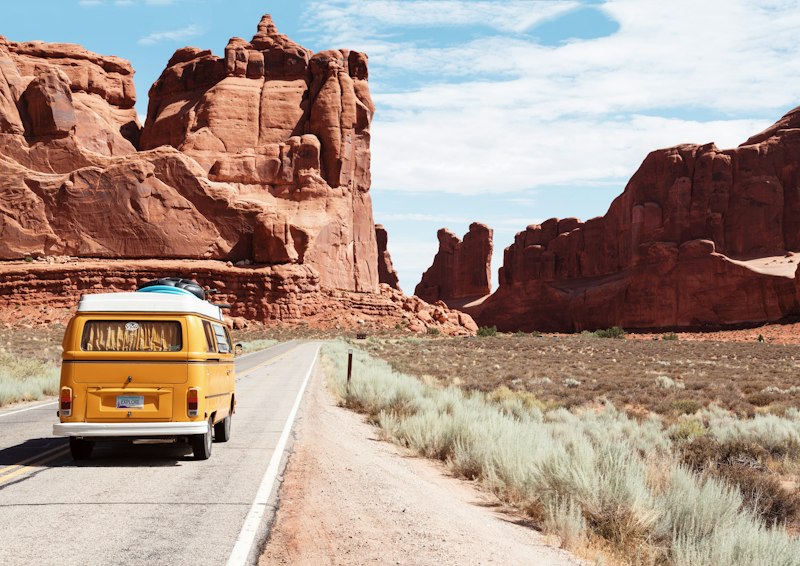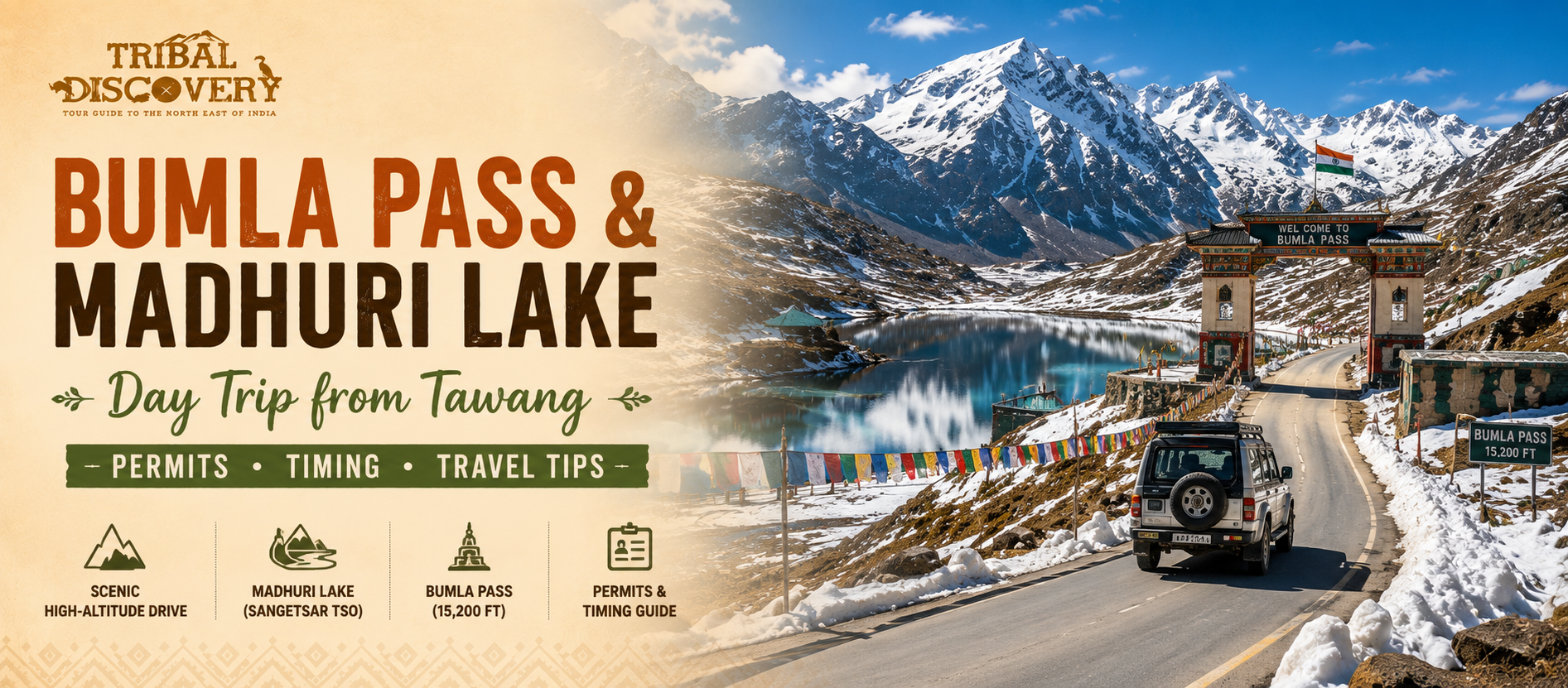
If you've done a fair bit of traveling already and you're starting to feel like every destination looks the same on Instagram, I know that feeling. I went through it too, until I actually spent time exploring Northeast India adventure tourism and realized how much of it barely shows up in the usual travel conversations. This is genuinely one of the most unexplored adventure destinations in North East India, and honestly, that's exactly what makes it worth your time.
In this guide, I'm sharing why I think the Northeast deserves a real spot on your travel list, what kind of experiences you can expect, and how to plan a trip that actually matches what you're looking for, whether that's hiking, trekking, wildlife, or something far more offbeat.
What Makes Northeast India Different From Everywhere Else
Most Northeast India tour packages you'll find online focus on the obvious highlights, but what I've found is that the real value of this region is in how much of it still feels untouched. You're not fighting crowds at every viewpoint. You're not waiting in line for a photo. This is real experiential tourism, the kind where the experience itself is the destination, not just a checklist of places you visited.
If you're the kind of traveler who wants offbeat Northeast travel rather than the usual tourist trail, here's what sets this region apart:
- Genuinely remote landscapes that most travelers haven't explored
- A strong culture of village life that hasn't been reshaped for tourism
- A serious range of adventure tourism options, from gentle nature walks to demanding technical climbs
- Distinct states with completely different terrain, culture, and food, all within the same broader region

Best Time to Visit Northeast India for Adventure
Before I get into specific destinations, let's talk timing, since this genuinely changes your experience. If you're planning around outdoor activities, the best time to visit Northeast India for adventure is generally between October and April, when the weather is drier and the trails are far more manageable.
- October to December, Post-monsoon clarity, ideal for trekking and clear mountain views.
- December, Timed perfectly if you want to catch the Hornbill Festival in Nagaland.
- January to March, Cooler, crisp weather, great for high-altitude treks like Dzukou Valley.
- March to April, Rhododendrons bloom across Sikkim, adding color to an already stunning landscape.
I'd genuinely avoid the peak monsoon months (June to September) if adventure activities are your main goal, trails get slippery, and several routes close temporarily for safety.
Nagaland: Culture, Festivals, and Serious Trekking
If you're drawn to a mix of culture and physical challenge, Nagaland should be high on your list. My favorite part of Nagaland travel is how the region blends tribal heritage with genuinely rugged adventure.
The Hornbill Festival
If you can time your trip around early December, the Hornbill Festival is worth planning your entire trip around. It's a celebration of Naga tribal culture, traditional music, dance, food, and crafts, all in one place. I'd recommend booking accommodation well in advance since this is one of the few times Nagaland does see a noticeable rise in visitors.
Dzukou Valley Trek
The Dzukou Valley trek is one of the most rewarding hikes in the entire region. Rolling green hills, seasonal flowers, and a genuinely peaceful atmosphere make this one of my top recommendations if you enjoy trekking without needing technical climbing experience.
Mount Saramati
If you're looking for something more demanding, Mount Saramati, the highest peak in Nagaland, is where serious trekkers should look. This isn't a casual day hike; it requires proper planning, permits, and a good level of fitness. But if you want a genuine high-altitude challenge in the Northeast, this is one of the best options available.
Sikkim: A Complete Adventure Playground
If Nagaland is about culture and trekking, Sikkim travel is where you'll find the widest range of adventure activities in one place.
South Sikkim
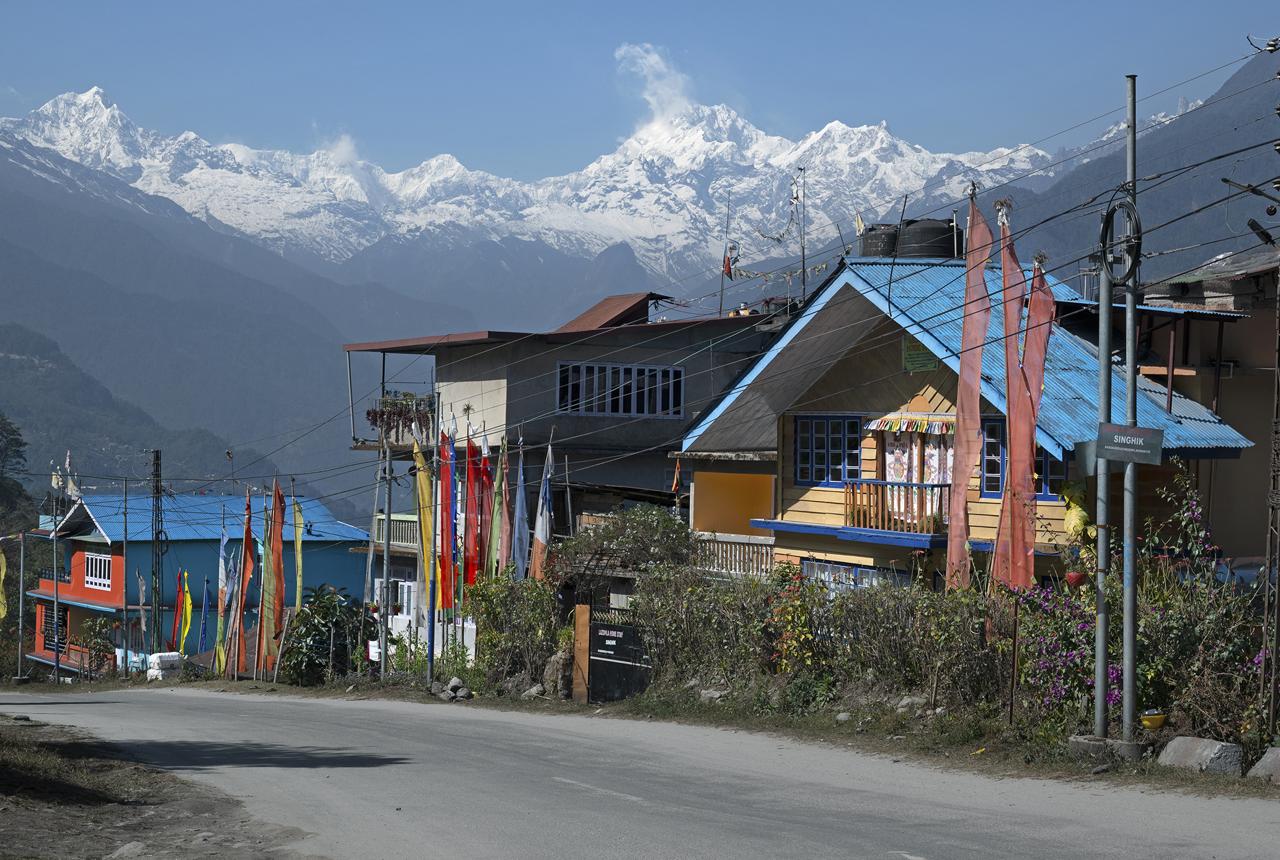
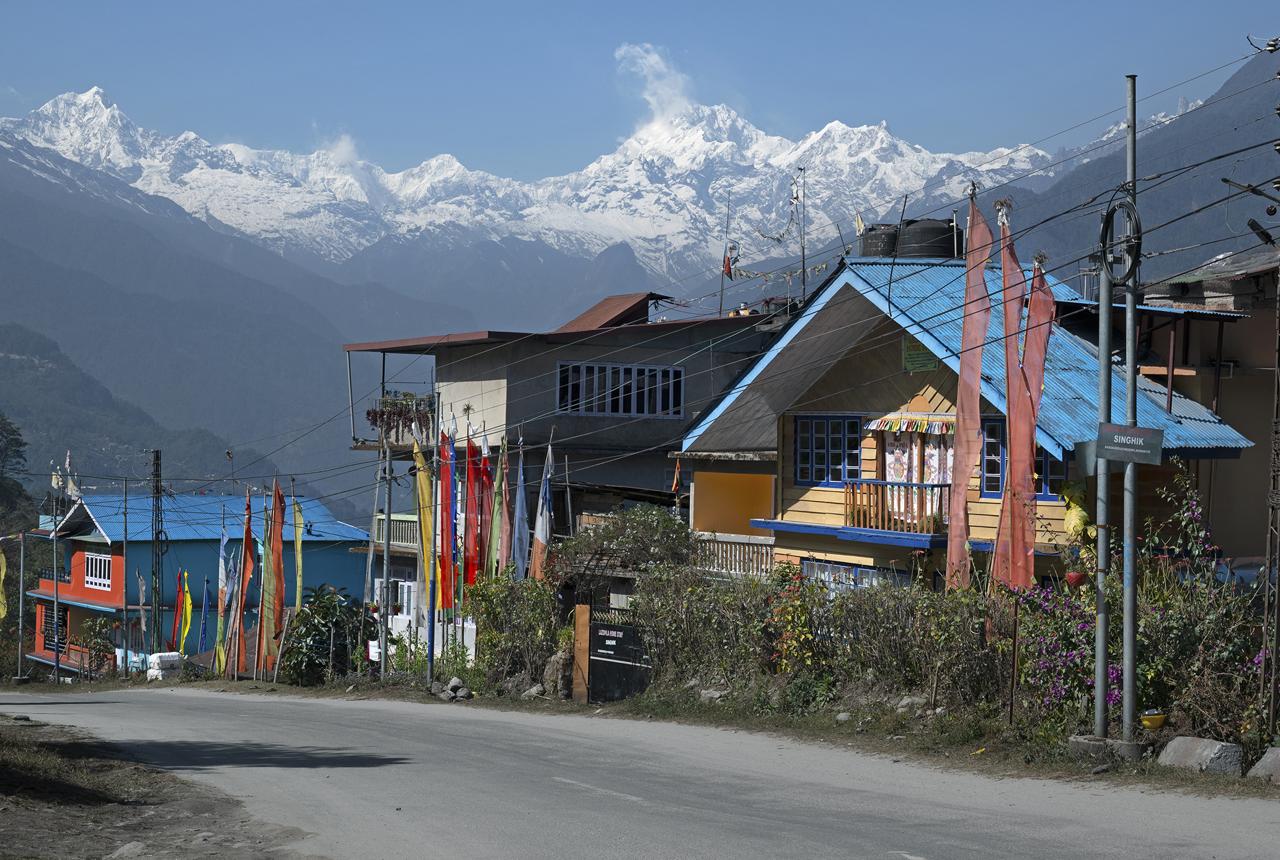
South Sikkim doesn't get nearly as much attention as North Sikkim, and I think that's a mistake most travelers make. It's quieter, less commercialized, and still offers excellent viewpoints, monasteries, and access to nearby trekking routes, genuinely one of those unexplored adventure destinations in North East India worth prioritizing.
Chemchey
Chemchey Sikkim is a smaller, lesser-known spot that I'd recommend if you want a quieter base for exploring South Sikkim without the usual tourist footfall. It's ideal if you're looking for a peaceful stay between more active adventure days.
Rock Climbing and Rappelling
If you're after something more physically intense, several adventure operators in Sikkim now offer rock climbing and rappelling experiences on natural rock faces, a great option if you want an adrenaline-focused day between longer trekking stretches.
Experiencing Village Life Across the Northeast
One thing I'd genuinely encourage you not to skip is spending time experiencing village life in the region. Many tribal villages across Nagaland and Sikkim welcome visitors for short homestays, giving you a much deeper sense of the region than any structured tour package ever could.
This is where experiential tourism really comes alive, sharing a meal with a local family, understanding traditional farming practices, or simply spending an evening away from any screen. If you're someone who values authentic connection over ticking off landmarks, build at least one or two days for this into your itinerary.
How to Plan Your Northeast India Adventure Trip
If you're putting together your own trip rather than booking a fixed package, here's how I'd approach it:
- Pick your primary focus, culture and festivals (Nagaland), high-altitude trekking (Saramati, Dzukou Valley), or varied adventure activities (Sikkim).
- Time it around the Hornbill Festival if cultural experiences matter to you, or around the dry season if trekking is your priority.
- Look into local Northeast India tour packages that include permits, since several trekking routes and tribal areas require special permissions.
- Balance adventure with rest days, village stays and slower days help you actually absorb the region instead of just moving through it.
- Choose local guides and operators wherever possible, since they know the terrain and support the local tribal communities directly.
If you're searching for adventure places in Northeast India that still feel genuinely undiscovered, I don't think there's a better region in the country right now. Between the Hornbill Festival, high-altitude treks like Mount Saramati and Dzukou Valley, and quieter corners like South Sikkim and Chemchey, there's enough here to fill several trips, not just one.
My honest advice? Don't try to see everything in one go. Pick one region, go deep, and let the rest wait for your next visit.
Ready to explore the Northeast beyond the usual tourist trail?
Tribal Discovery curates authentic Northeast India tour packages built around trekking, tribal culture, and offbeat experiences, designed for travelers who want more than a checklist.Explore Tribal Discovery's adventure packages.
Frequently Asked Questions:
What is the best time to visit Northeast India for adventure?
The best time is generally between October and April, when the weather is drier. December is ideal if you want to combine adventure with the Hornbill Festival in Nagaland.
Is Dzukou Valley trek suitable for beginners?
Yes, the Dzukou Valley trek is considered moderate and is a good starting point for those new to high-altitude trekking, though basic fitness is still recommended.
What makes Northeast India a good adventure tourism destination?
Northeast India offers a rare combination of trekking, rock climbing, rappelling, tribal culture, and unexplored landscapes that remain largely untouched compared to more mainstream travel destinations.
Is Mount Saramati difficult to trek?
Yes, Mount Saramati is a serious high-altitude trek that requires proper permits, planning, and a good fitness level, making it more suitable for experienced trekkers.
Are there offbeat places to visit in Northeast India besides the popular spots?
Yes, areas like South Sikkim and Chemchey offer a quieter, more offbeat alternative to the more commonly visited parts of the region, ideal for travelers seeking authentic, less crowded experiences.